The finish you see sits on layers you don't
Tiling and waterproofing in Murrumbeena

A tiled wet area lasts as long as the work underneath it. Every job here is built from the substrate up — checked, levelled, waterproofed, then tiled, in that order and no other. Your local tiler for wet areas, floors and exteriors.

01 / 06

SUBSTRATE

What gets checked before anything is fixed

Most tiling that fails was decided before the first tile went on. So the first visit is spent on the boring part: are the wall sheets fixed off properly and sitting flat, is the floor sound or does it flex underfoot, where is the floor waste in relation to the finished height, and how much out of level is the room really.

From that we know what the job actually needs — a levelling compound, a new screed, extra noggins behind a wall, a primer suited to the sheet — and the quote reflects that instead of hiding it. Residential bathrooms, laundries and kitchens, plus small commercial fit-outs around Murrumbeena and the neighbouring suburbs. More on the standard behind that is on the about page.

02 / 06

FALLS, SCREED AND SET-OUT

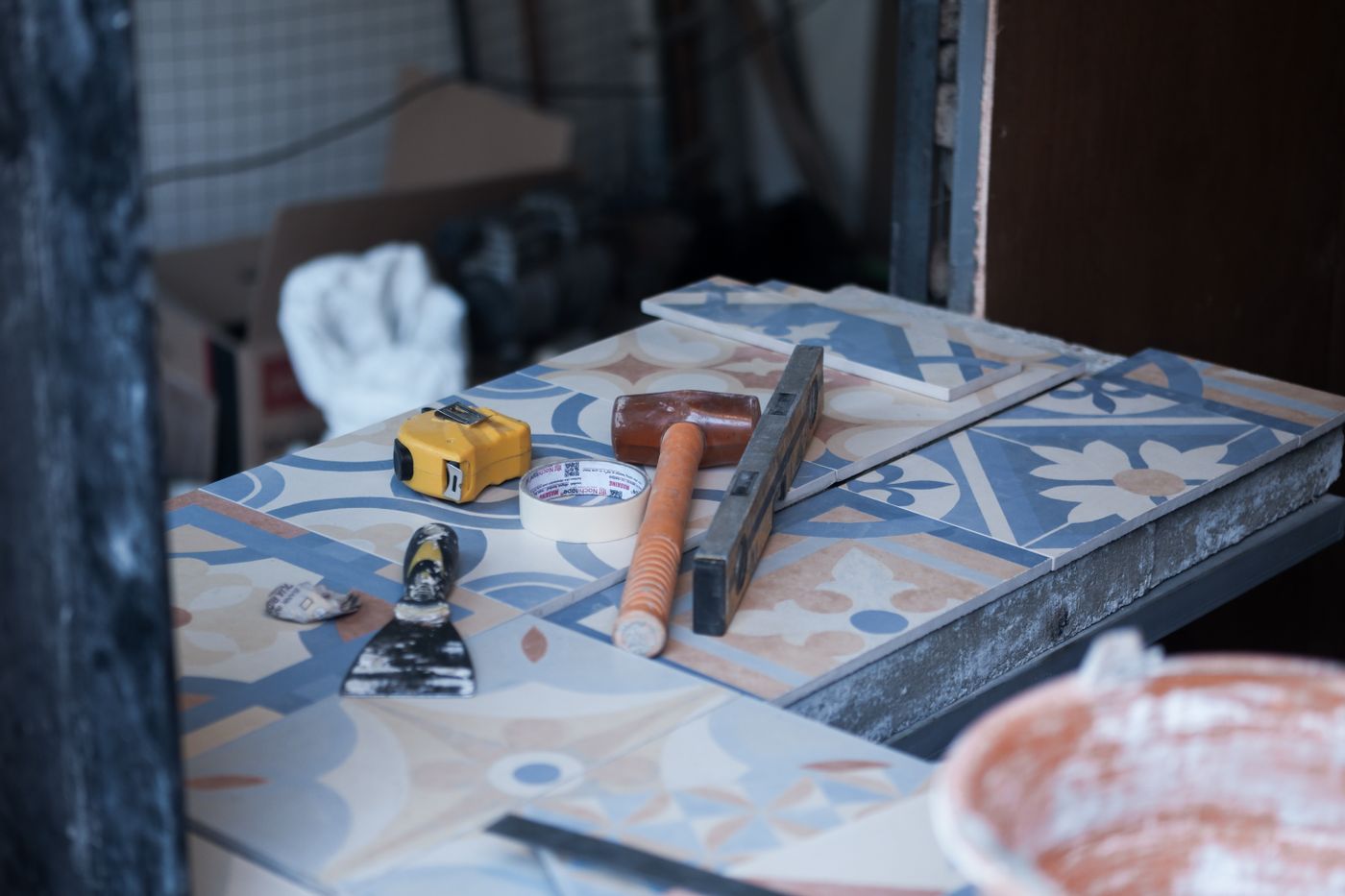
Notched trowel, tape measure and tape on a job in progress. The set-out is argued about on paper first — where the full tiles land, where the cuts go, how the grout lines meet the waste.

Tiling tools arranged on patterned tiles, including a tape measure, mallet, straightedge, scraper and masking tape.

A floor that drains, a wall that reads straight

A shower floor has to fall to the waste from every direction, and that fall is formed in the screed — not faked later with adhesive. Hobs, benches and niches get their own falls so water leaves rather than sits.

On walls, the set-out decides whether you spend the next decade looking at a sliver cut beside the mirror. We start from the most visible line in the room and work outwards, then keep the cuts in the corners and under fittings.

03 / 06

Eleven services, one standard of preparation

Find the job closest to yours and read how it is prepared. Each page covers the overview, the process and the questions we get asked most.

Bathroom Tiling — walls, floors, niches, shower bases

Bathroom Renovation Tiling — strip-out to finished tile

Waterproofing — wet-area membrane before tiling

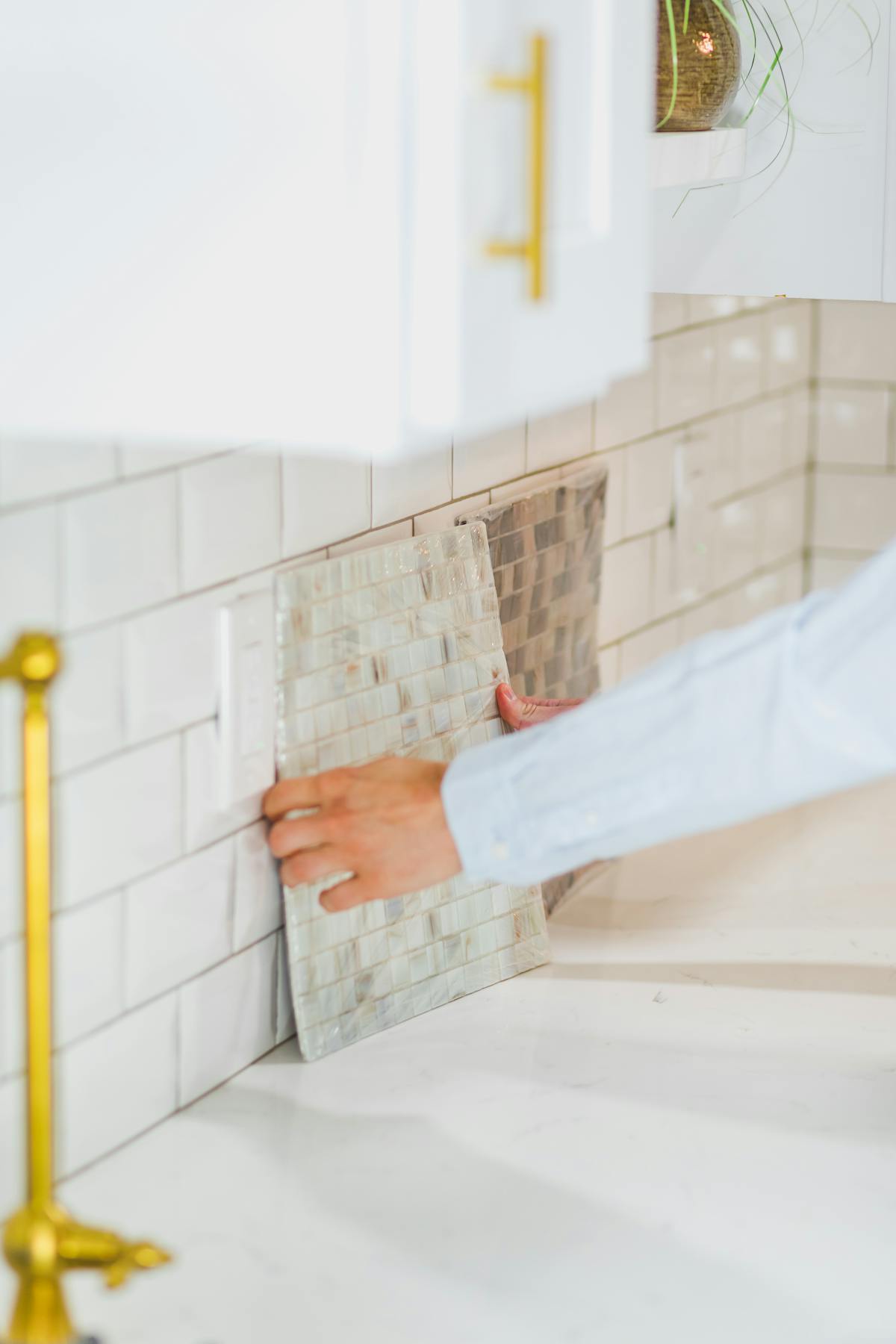
Kitchen Splashbacks — mosaic, subway and slab-look

Floor Tiling — living areas, hallways, laundries

Large Format Tiling — oversized tiles and slabs

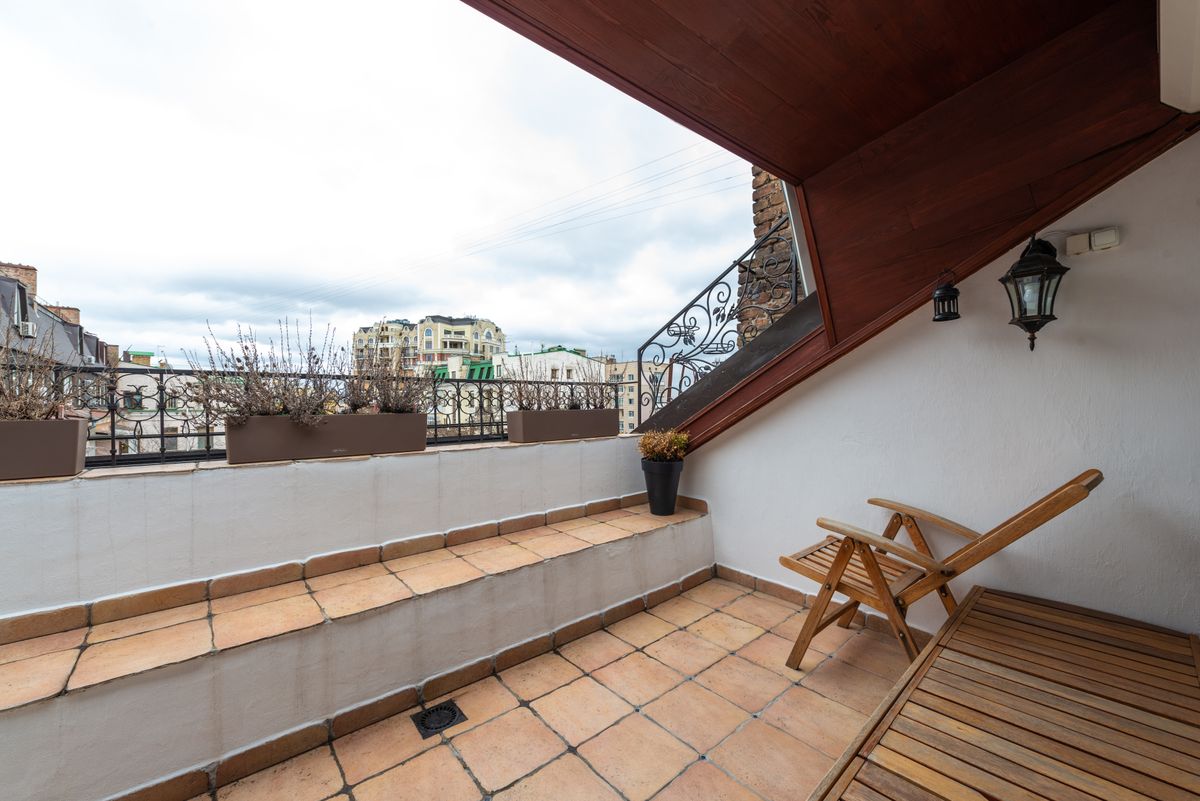
Balcony Tiling — falls, drainage, sealed perimeters

Outdoor Tiling — alfresco, patios, pool surrounds

Regrouting — failed, stained or cracked grout

Tile Repairs — drummy, lifting or chipped tiles

Leaking Shower Repairs — find it, then fix it

04 / 06

The layer you pay for twice if it's wrong

Waterproofing is the one stage nobody ever sees again. It is also the reason a shower stays dry — or why a hallway skirting starts lifting two rooms away.

ONE — SUBSTRATE AND PRIMER

Sheets get checked and fixed off, joints and junctions are dealt with, dust is removed, then the primer that suits that surface goes on. Membrane over a dusty or unprimed sheet is money spent on nothing.

TWO — MEMBRANE AND BOND BREAKER

Internal corners, wall-to-floor junctions and the waste are detailed first, with a bond breaker where movement is expected. Then the coats go on across the floor and up the walls to the heights the room needs.

THREE — CURE, THEN TILE

Each coat is left to cure properly before the next, and the membrane is left alone before tiling starts. It is the least glamorous day on site and the one worth protecting. More on waterproofing.

05 / 06

Large format, or something smaller

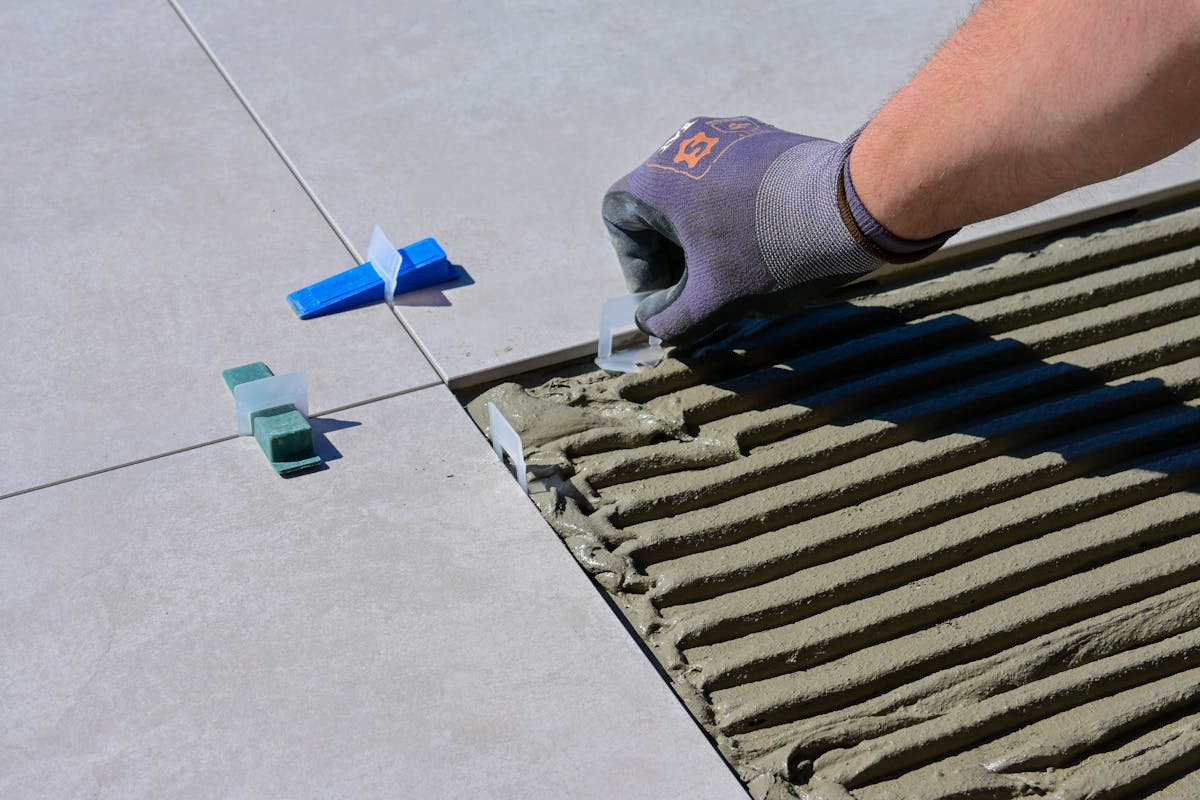
Big panels look calm because there is almost no grout to interrupt them, and they are unforgiving for exactly the same reason. Flatness tolerance tightens, adhesive has to be combed and back-buttered so there are no voids, and levelling systems hold everything flush while it sets. Handling matters too — a 1200mm tile does not forgive a rushed lift.

Standard sizes still win in plenty of rooms: more grout lines let a slightly imperfect wall disappear, cuts around fittings are simpler, and mosaics can follow a fall that a big tile never could. We talk through both against your room rather than pushing one. See large format tiling or floor tiling.

A gloved worker positioning a large floor tile over ridged adhesive, using levelling clips and spacers to align the joints.

LEVELLING CLIPS AND SPACERS HOLDING ADJACENT TILES FLUSH

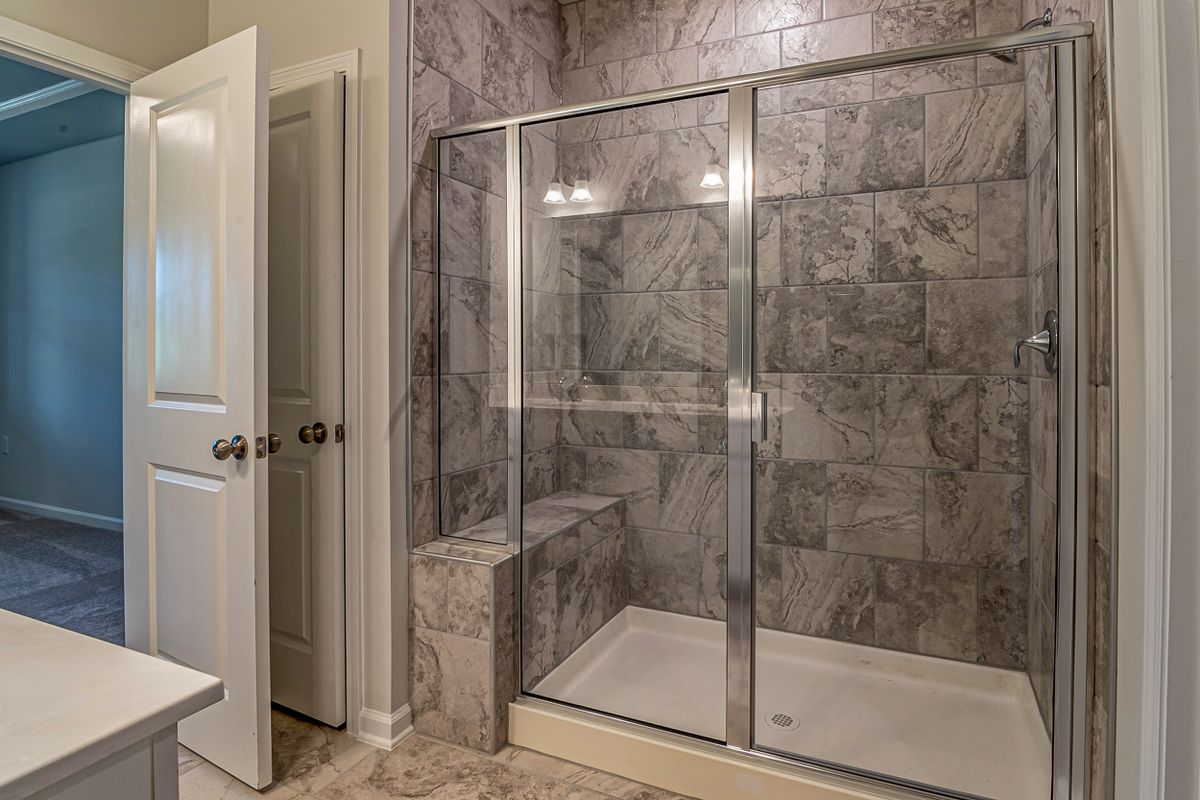
Completed bathroom shower enclosure with grey marble-effect wall tiles, clean grout lines, a built-in bench and glass doors.

06 / 06

Grout, silicone and what maintenance catches early

Grout is the wear surface and silicone is the movement joint, and both are consumable. Dark patches that stay wet long after a shower, grout crumbling along the floor junction, or perished silicone pulling away from the hob are the first signals — and they are cheap to act on.

Sometimes the answer is regrouting and fresh silicone. If a tile sounds hollow when tapped or an edge has lifted, that is a bond or movement problem and belongs in tile repairs. If water is showing up outside the room, it becomes leaking shower repairs and we start by finding the source, not by pulling tiles off. We write about the early signs on the blog.
SERVICE AREA

CARNEGIE · HUGHESDALE · OAKLEIGH · CHADSTONE · MALVERN EAST · BENTLEIGH EAST · ORMOND · MCKINNON

Working locally means we can get back to look at a shower without turning it into a week of waiting. See the full service area — and if your suburb sits just outside this list, ask anyway.

ENQUIRE

Tell us what's happening in the room

Tell us the suburb, the surface and what is going wrong — a shower that is still damp hours later, grout crumbling along a junction, a balcony marking the ceiling below. Photographs of the problem area help more than anything else, and a rough idea of the room size is enough to start. If you would rather see the order a job runs in first, read how we work.

Not sure which service it is? Browse the eleven services, or send the same details from the contact page.