GUIDES — TILING, WATERPROOFING AND REPAIR
What happens under a tiled surface, explained
Eleven guides on the strata of a tiled surface — substrate, screed, membrane, bond coat, tile, grout. Written for the moment you are deciding what to do next, not after the decision is made.
GROUPED BY LAYER, NOT BY DATE
01/04 Preparation and substrate — three guides
02/04 Waterproofing and leaks — two guides
03/04 Tile selection and fixing — four guides
04/04 Maintenance and repair — two guides
An index arranged by layer stays useful as it grows. New guides join the stratum they belong to rather than pushing older ones down a list.
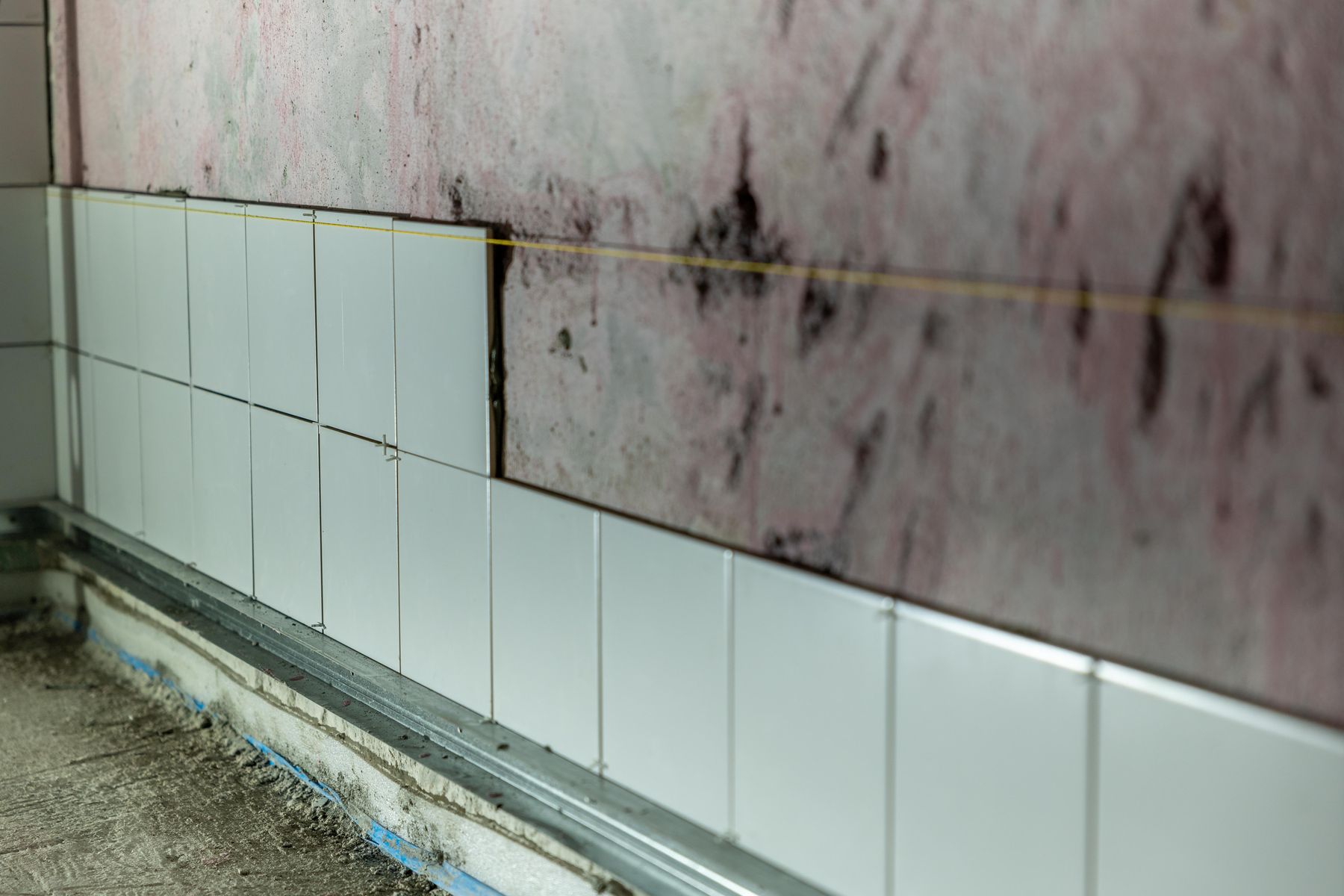
REFERENCE FRAME
A wall caught between strata: tile below, bare substrate above, and a damp stain reporting on something that was never sealed. Almost every guide below starts at a surface like this one.
NO PRICES ARE PUBLISHED HERE — COSTS ARE EXPLAINED, NOT QUOTED
Written for the decision, not the aftermath
Most tiling questions arrive at an awkward moment: a shower that has started marking the hallway skirting, a renovation quote that reads as one number, a floor that sounds hollow underfoot. The useful answer is rarely a product recommendation. It is an explanation of which layer is involved, what it would take to reach it, and whether the problem is maintenance, repair or rebuild.
Preparation and substrate
Everything above the substrate inherits its flaws. These three guides cover what gets checked, corrected and sequenced before a single tile is fixed — including what that preparation does to a quote.
01/03
Tile Preparation: The Work You’ll Never See Again
Sheeting, screeds, priming, levelling and movement joints — why the flatness of the surface, not the quality of the tile, sets the finish.
GOES TO Floor Tiling · Large Format Tiling
02/03
Bathroom Renovation Tiling: The Order Work Happens In
Strip-out, substrate correction, falls, membrane, then tile. What each stage depends on, and what it costs in rework when the order slips.
GOES TO Bathroom Renovation Tiling
03/03
What Actually Drives the Cost of Bathroom Tiling
Area, tile size and material, substrate condition, waterproofing scope, cuts and access — the variables a tiler is really pricing when they walk a room.
GOES TO Bathroom Tiling
01/02
Bathroom Waterproofing: Where Water Actually Escapes
Junctions, penetrations, the hob and the screed beneath the tile — the places a wet area actually lets go, and why the membrane goes on before anything is fixed to the wall.
GOES TO Waterproofing
02/02
Leaking Showers: The Signs, the Causes and the Options
Swollen skirting, a ceiling stain below, grout that stays dark for days. Reading the symptom back to the layer that failed, and the repair routes that follow from it.
GOES TO Leaking Shower Repairs
Waterproofing and leaks
The membrane is the only stratum that decides whether a room survives. It is also the one layer you cannot inspect once the tile is on, which is why both guides here are about evidence rather than opinion.
Tile selection and fixing
Four guides on choosing the tile and fixing it: what the material can take, how format changes the method, and where a wall or a courtyard sets the rules.
01/04
Porcelain vs Ceramic Tiles: Which Belongs Where
Density, water absorption and wear rating — and the rooms each one is honestly suited to.
GOES TO Floor Tiling
02/04
Large Format Tiles: Fewer Joints, Less Forgiveness
Flatness tolerance, back-buttering and levelling systems, because a big tile cannot bridge a bad floor.
GOES TO Large Format Tiling
03/04
Kitchen Splashbacks: Layout, Cut-Outs and Finishing Details
Setting out from the bench, working around power points, and where the run should stop.
GOES TO Kitchen Splashbacks
04/04
Choosing Outdoor and Balcony Tiles for Melbourne Weather
Slip ratings, exterior-grade adhesive, falls to drainage and the movement an exposed surface makes.
GOES TO Outdoor Tiling · Balcony Tiling
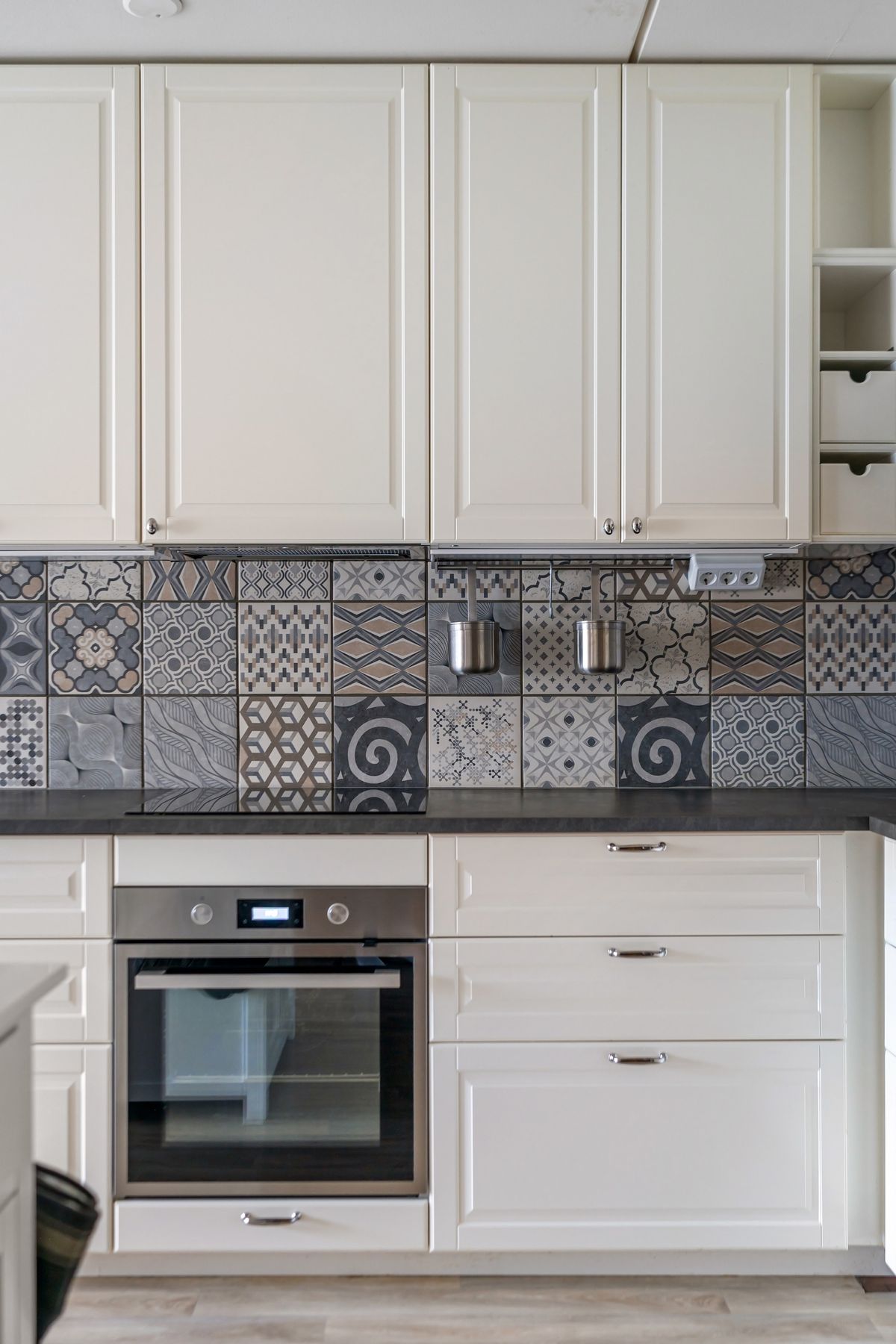
A patterned splashback is a selection decision before it is a fixing one — format, layout and grout colour are settled long before the first cut is made.
Maintenance and repair — the two layers that report early
Grout, silicone and a loose tile are the surface telling you something underneath has changed. Caught early, the fix is small and the tile stays. Left long enough, the same signs turn into a wet-area rebuild. These two guides explain how to tell the difference.
01/02
Regrouting: When New Grout Fixes It and When It Doesn’t
Discoloured joints, perished silicone and hairline cracking — the cases where renewal is genuinely the answer, and the cases where it only hides the cause for a season.
GOES TO Regrouting
02/02
Cracked, Drummy or Lifting Tiles: Reading the Cause
Whether the fault sits in the tile, the bond coat or the way the floor moves — and how that answer decides the size of the repair.
GOES TO Tile Repairs
FROM READING TO WORK