A balcony is a wet area with the weather on top
Falls, membrane, movement and a sealed perimeter decide whether an elevated deck sheds water or stores it. Tile is the last layer of the build-up, and the only one anyone ever blames.
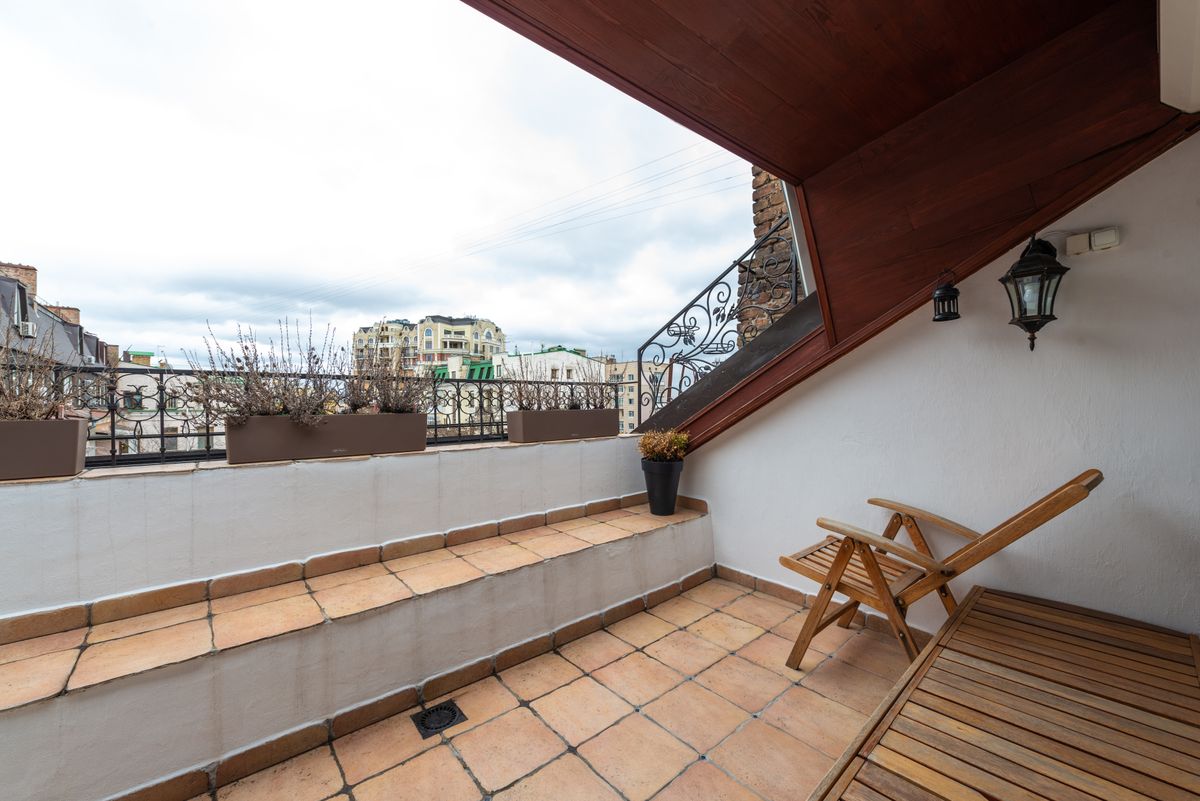
SCOPE OF THIS SERVICE
Balconies, terraces and elevated landings on homes and small commercial buildings in Murrumbeena, Carnegie, Hughesdale, Oakleigh, Chadstone, Malvern East, Bentleigh East, Ormond and McKinnon.
Falls set to the outlet, not simply away from the door
Waterproofing beneath the tile, turned up at every perimeter
Door thresholds, sill junctions and wall returns detailed
Drainage outlets sealed into the membrane, not over it
Movement joints at the perimeter and through the tiled field
Slip-resistant exterior tile, laid flat and grouted for weather
The stain below is the symptom, not the fault
Why a balcony fails where you cannot see it
Grout is not waterproof and was never meant to be. On any exterior deck, rain passes the joints, reaches the layer underneath and has to be carried to the outlet by a fall built into the bed. When that fall is flat, or the membrane stops short at a wall or a door frame, the water sits instead of leaving. It finds the slab edge, the balustrade fixing or the ceiling lining below, and the first evidence a homeowner gets is a brown ring in the plaster inside.
THE ORDER THE WORK HAPPENS IN
Five steps, and only the last one is visible
01 Read the deck. Where the water currently ponds, where the outlet sits, how much height there is at the door threshold, and what the existing layers are made of.
02 Substrate and screed. The surface is made sound and primed, then bedded so every square of it drains toward the outlet rather than the building.
03 Membrane and detailing. Bond breakers at the junctions, turn-ups at the perimeter and the door, and the outlet sealed into the membrane before it is left to cure.
04 Bond coat and tile. Exterior-grade adhesive, full contact under each tile, set out so cuts land where they are least seen and the fall is never flattened out.
05 Joints and seals. Grout suited to weather, movement joints at the perimeter and through the field, and a flexible seal where tile meets wall, threshold and balustrade.
Choosing tile for an exposed surface
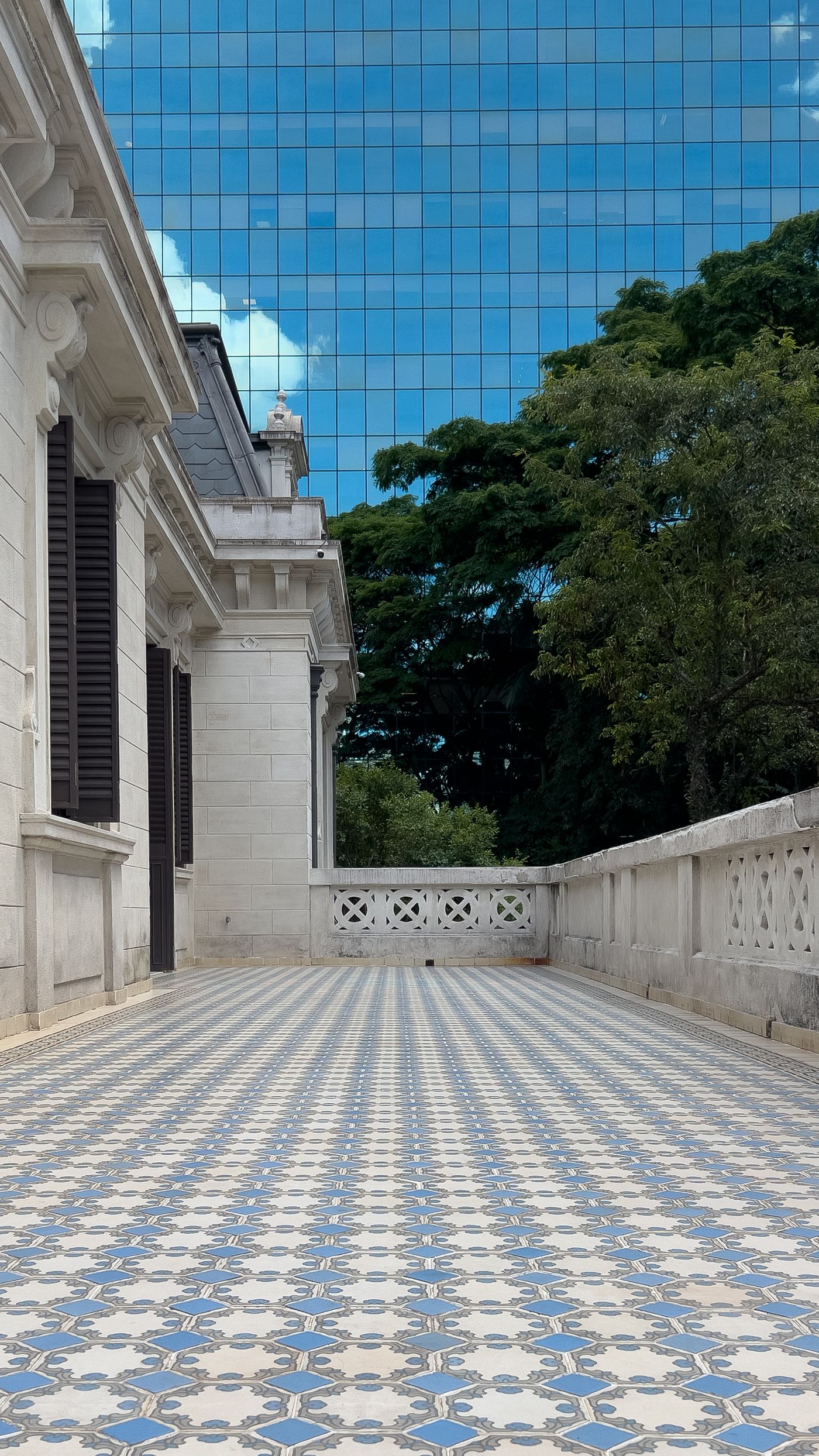
A balcony tile is walked on wet, sits in full sun and then drops several degrees overnight. Low water absorption matters more than pattern, a slip rating suited to an external wet surface matters more than finish, and thermal movement has to be allowed for rather than resisted — which is why the joints and the perimeter detail carry as much of the result as the tile itself.
Questions before a balcony job
Does the whole balcony have to come up?
Can new tile go straight over the old?
Only if the existing layers are sound, the fall is already correct and the added height still clears the door threshold. Overlaying a deck that ponds simply buries the fault at a higher level.
The tiles look perfect — why is the ceiling below marked?
Because the tile was never the waterproofing. Water moving through the grout joints is normal and expected; it is meant to be intercepted below and carried out through the outlet. A mark inside means it found another way off the deck.
What happens at the doorway?
The threshold is the most exposed junction on any balcony, because it is the one point where the wet side meets the dry side of the building. It gets set out and sealed before the tile layout is finalised, not adjusted afterwards.