A cracked tile is a symptom, not the fault
Tiles crack, sound hollow, lift or chip because something underneath them changed — the bond, the bed, or the way the floor moves. Swapping the tile without answering that repeats the failure, so a repair starts by reading the cause.
ON THIS PAGE
01 Reading the cause before the cure
02 Repairing a sound floor without retiling it
03 Matching tiles when the batch is gone
04 How a repair runs, step by step
05 Questions we are asked on site
Repairs to floors, walls, wet areas and exteriors across Murrumbeena, Carnegie, Hughesdale, Oakleigh, Chadstone, Malvern East, Bentleigh East, Ormond and McKinnon.
REFERENCE PHOTOGRAPH
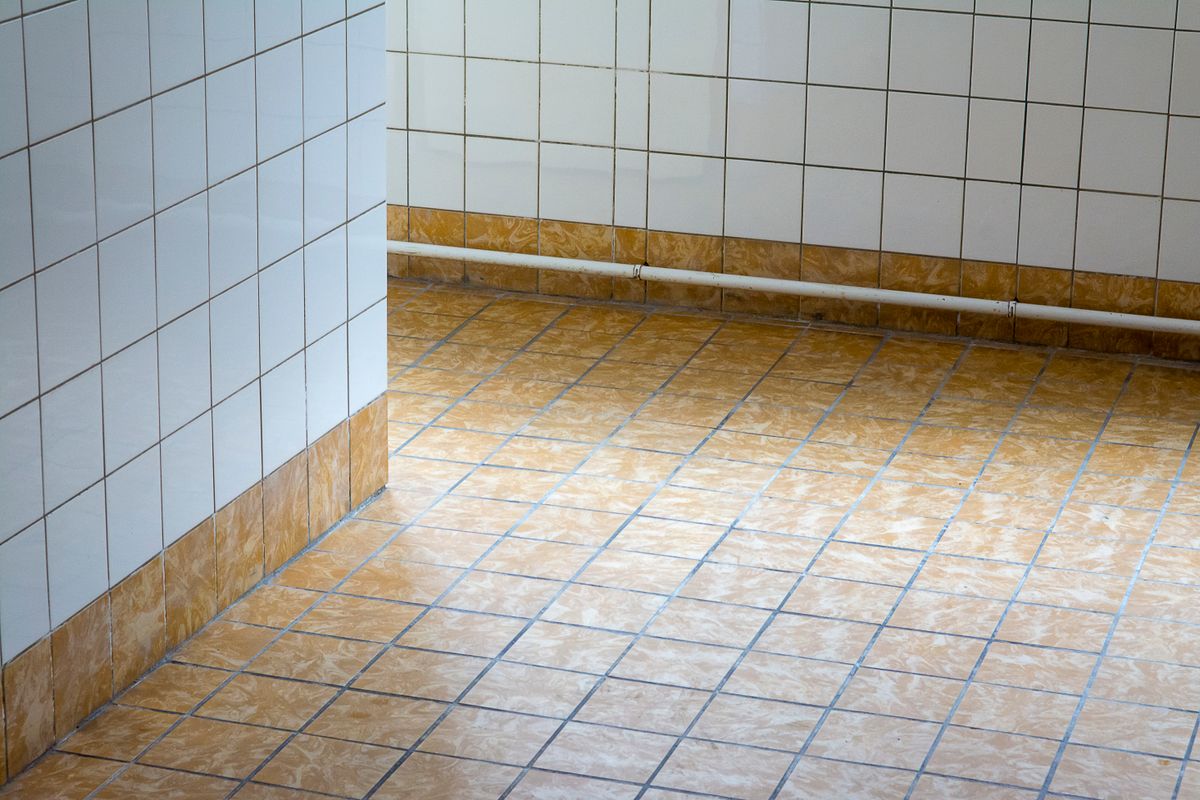
An existing tiled surface being assessed before anything is lifted: whether the tiles sit in one plane across the joints, how the dark grout lines are holding at the wall junction, and which areas sound hollow when they are tapped.
CAUSE BEFORE CURE
Three questions asked before anything comes out
Cracked, drummy, lifting and chipped tiles look similar from standing height and behave very differently underneath. Each pattern of damage points at a different layer, and the repair is only as good as the layer it addresses.
THE TILE ITSELF
A chip from an impact, or a crack that begins and ends inside one tile, is usually just that tile. It is cut out at the joint, the bed is cleaned back to something sound, and a replacement is set flush with the plane of its neighbours.
THE ADHESIVE BOND
A hollow, drummy note means the tile has let go of the bed — patchy adhesive coverage, dust or laitance on the substrate, or a surface tiled before it was ready. Drummy tiles are lifted in whole sections and reset with full contact.
MOVEMENT BELOW
A crack running in a straight line across several tiles is structural. A flexing timber floor, a shrinking slab or a perimeter with no movement joint will crack whatever is fixed over it, twice.
Repairing a sound floor without retiling it
Most floors and walls that lose a few tiles are otherwise fine. Grout is cut out around the affected area first so the neighbouring tiles keep their edges, the damaged tiles are removed, and the bed beneath is cleaned, levelled and primed before anything is reset. Where several tiles in a row are drummy, it is faster and more durable to lift the whole run than to chase one tile at a time.
HOW A REPAIR RUNS
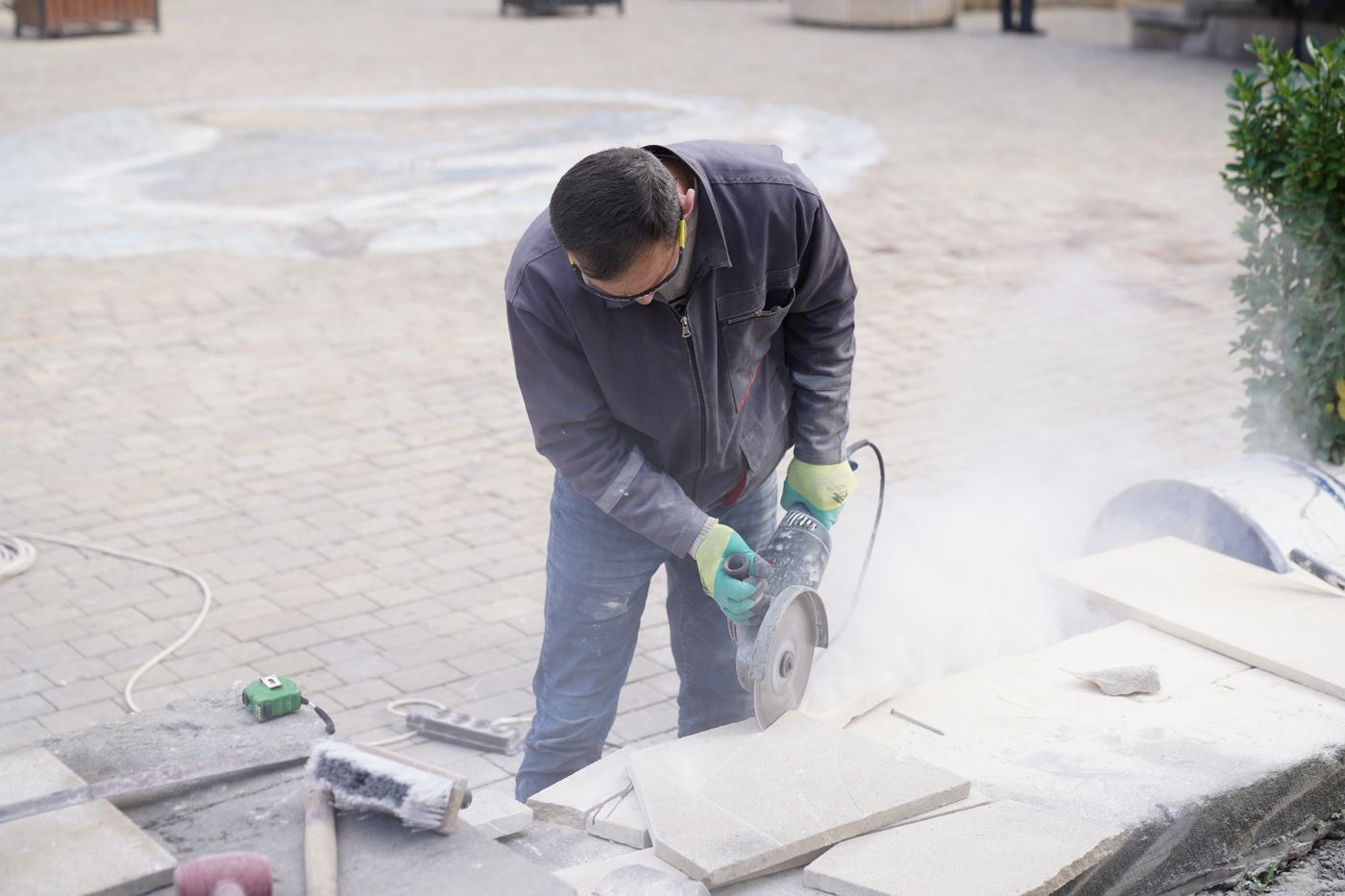
Four stages, and the cause settles all of them
Look and listen
Tapping across the area to map what is drummy, checking joints, perimeters and wall-to-floor junctions, and reading which direction the cracks run.
Agree the scope
Which tiles come out, what will be used to replace them, and what happens if the cause proves to sit deeper than the surface suggests. Quoted in writing before work starts.
Remove and prepare
Grout cut out, tiles taken up without damaging their neighbours, old bed removed back to a sound, flat, primed surface, with dust contained and the rest of the room protected.
Reset and finish
Replacements bedded with full adhesive contact, levelled into the surrounding plane, grouted in a matched colour and, at junctions and corners, finished with fresh silicone rather than rigid grout.
QUESTIONS ASKED ON SITE
What a hollow tile actually tells you
My tile sounds hollow but hasn't cracked — does it have to come up?
Not always. An isolated drummy tile in a low-traffic spot can be watched. A run of them in a hallway, a shower floor or under a door threshold will crack eventually, because every step flexes a tile that nothing is supporting.
Can you match a tile that hasn't been made for years?
Often, close enough that nobody finds it. Where an exact match no longer exists, tiles are usually borrowed from a hidden area and the substitutes placed out of sight. An honest view on how visible the result will be is given before the repair is booked.
The grout keeps cracking around one tile — is that a tile problem?
Fix the layer, not just the tile
Describe what you are seeing — a hollow note underfoot, a chip beside the shower screen, a crack that runs across the hallway — and a repair scope can be worked out from there. Tile repairs are carried out across Murrumbeena, Carnegie, Hughesdale, Oakleigh, Chadstone, Malvern East, Bentleigh East, Ormond and McKinnon.
RELATED IN THIS SECTION