WHAT THE MEMBRANE STAGE INVOLVES
01 Substrate, fall and priming
02 Bond breakers, corners and penetrations
03 Coats, coverage and film build
04 Cure time before any tile is set
Wet areas, balconies and laundries across Murrumbeena, Carnegie, Hughesdale, Oakleigh, Chadstone, Malvern East, Bentleigh East, Ormond and McKinnon.
Waterproofing is the layer you only meet when it fails
A membrane is the one stratum of a wet area that is completely hidden the moment it works. Everything above it — bed, bond coat, tile, grout, silicone — is finish. Everything below it is structure. The membrane is the only part doing the waterproofing, and it is applied, detailed and cured before a single tile goes on.
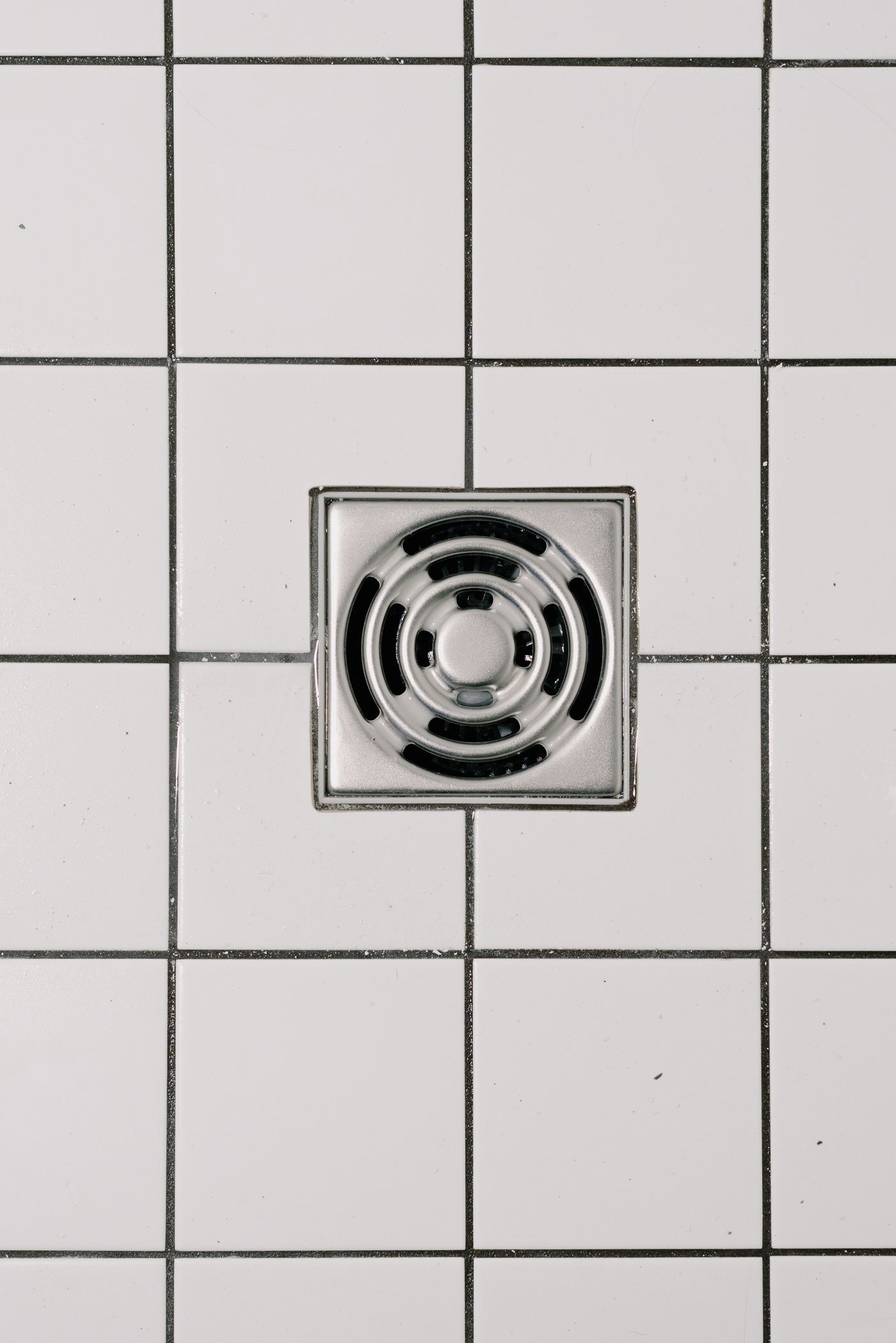
REFERENCE PHOTO
The floor waste — the point every fall in a wet area is worked towards, and the collar the membrane has to be dressed into before the screed, bond coat and tile go over it. Once the surface reads like this, nothing beneath it can be corrected without lifting what has been fixed.
THE ARGUMENT
Tile is not waterproof. Grout is not waterproof. Both are porous enough to pass moisture through to whatever sits behind them — which is why the layer behind them is the one that matters.
Why a leak is almost never a tile failure
Water in a shower does not sit on the surface. It runs down the wall, across the floor and into every junction it can find — the wall-to-floor angle, the corners, the hob, the screed bed, the collar around the waste. Tile and grout slow it down; they do not stop it. Once it is through, the membrane is the only thing between that water and the frame, sheeting or slab behind.
Substrate, junctions, cure
Sheeting and screed are checked for fixing, flatness and fall to the waste before a membrane is considered. Loose sheets get refixed, dust and residue come off, and the surface is primed so the membrane bonds to the substrate rather than to what is sitting on it.
Bond breakers and reinforcing go into the wall-to-floor angle and the internal corners so the membrane can move with the building instead of tearing at the joint. Penetrations, tap bodies and the waste collar are dressed individually — these are the points that fail first.
Liquid membranes are built up in coats, each taken to the manufacturer’s film thickness and run up the walls to the heights the design calls for — higher in the shower, lower across the general floor. Thin, rushed coverage is invisible on the day and obvious two winters later.
Then the room sits. A membrane that is tiled over before it has cured is compromised from the first bucket of adhesive, and no amount of good tiling above it recovers the loss.
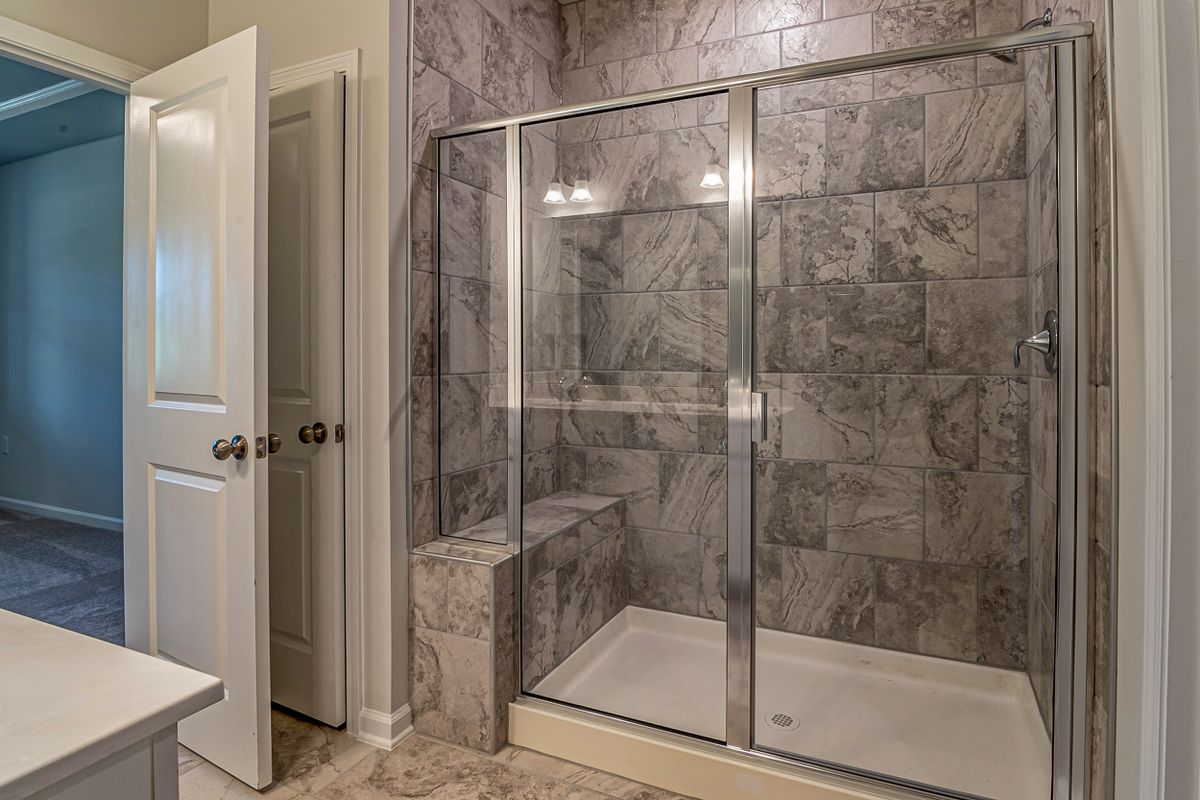
Where a membrane earns its place
Common questions
Can waterproofing be added without removing the tiles?
Surface-applied sealers and grout treatments can slow water down, but they sit above the tile, not behind it. Where the original membrane has failed, the honest answer is usually removal of the affected area so the layer can be rebuilt properly — which is assessed on site rather than guessed at.
How high does the membrane go up the wall?
It varies by zone. Inside a shower enclosure it runs well up the wall; across the rest of a wet area it is taken to a lower height with the junctions and penetrations still fully dressed. The layout of the room, the position of the screen and whether the floor is level-entry all change the answer.
Why does the job pause after waterproofing?
Because the membrane has to cure to its full film before anything is bonded to it. That pause is the cheapest part of the build and the most expensive one to skip. Tiling resumes once the surface is genuinely ready, not once the room looks dry.
My shower is leaking — is this the service I need?
Get the hidden layer right and the visible one lasts
Waterproofing for bathrooms, laundries, balconies and renovations across Murrumbeena and the surrounding south-east suburbs. Tell us what the room is doing now — new build, strip-out, or a stain that has started appearing somewhere it shouldn’t.