WHAT THIS GUIDE COVERS
01 Slip resistance, wet and barefoot
02 Absorption and weather exposure
03 Three outdoor surfaces, three problems
04 Fall, drainage and the layer beneath
05 Movement, adhesive and joints
An interior tile laid outside doesn’t fail on day one. It fails the third summer, at the edges, where nobody was looking.
GUIDE — CHOOSING OUTDOOR & BALCONY TILES
Outside, the weather tests the tile and the layers under it
Melbourne hands an external surface everything in one week: a thirty-eight degree afternoon, a cold snap by Thursday, and rain that has to go somewhere. Choosing the tile is only part of the answer — the rest sits underneath it.
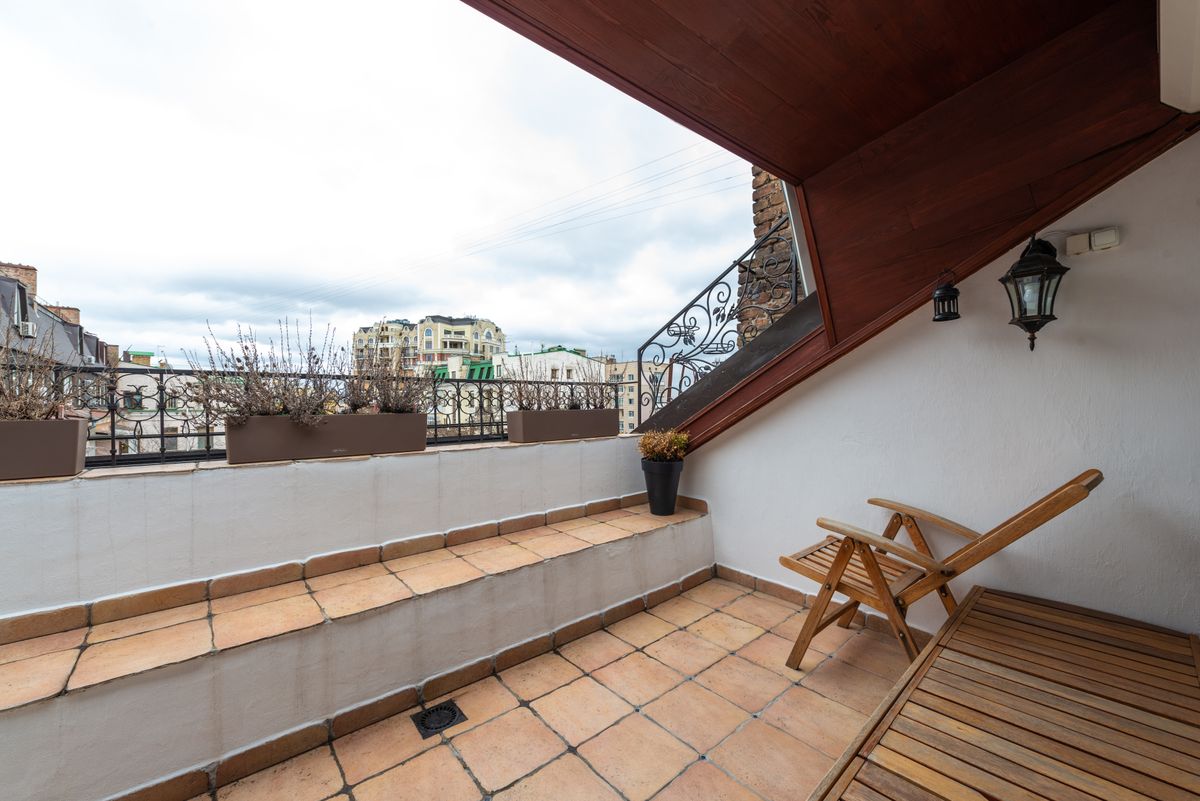
REFERENCE PHOTOGRAPH
A terrace like this is mostly junctions: a step nosing, a planter edge, a threshold at the door, a perimeter against the wall. The field of the tile almost never causes trouble. The edges decide how long it lasts.
01 / 05 — SLIP RESISTANCE
Showroom samples are judged dry, flat and clean. None of those conditions apply outside.
Slip resistance is the first filter, not a finishing touch
Polished and lightly honed faces lose most of their grip the moment a film of water sits on them, which is why exterior tiles carry a slip rating and many interior ones simply don’t. The question to settle early is how much grip the area genuinely needs. A covered alfresco floor that gets the odd splash is a different brief to a pool surround walked barefoot and wet all summer, where the texture has to be more assertive without grazing skin. Push the texture too far and you gain grip but lose easy cleaning — every pore holds dirt, leaf tannin and sunscreen. The right surface is the least aggressive one that still holds underfoot when it rains.
02 / 05 — ABSORPTION & EXPOSURE
How much water the tile drinks decides how it ages
THREE THINGS TO ASK THE SUPPLIER
Is it rated for external use?
Not every tile in an outdoor display is.
What is its slip rating?
And is the rating for the finish you’re actually buying?
Does it need sealing?
Natural stone and terracotta usually do, and again later.
03 / 05
Three outdoor surfaces, three different problems
Ground-level areas, pool surrounds and elevated balconies all sit outside, so they get treated as one job. They aren’t. What changes between them is how much water arrives, how long it stays, and what is underneath.
ALFRESCO, PATIOS & PATHS
Alfresco floors, patios and paths at ground level are often partly covered, so the tile stays wet less often — but the shaded half collects leaf stain and stays damp longer. The critical detail is the threshold into the house, where the external level, the fall and the door sill all meet.
POOL SURROUNDS
Wet for months at a time, walked barefoot, and exposed to chlorinated or salted water carried out on skin. Grip matters most here, and so does grout that tolerates constant wetting and repeated washing down.
ELEVATED BALCONIES
The hardest of the three, because there is habitable space below. The tile is a wearing surface over a waterproof layer, and the tile choice matters less than the membrane, the fall and the sealed perimeter.
04 / 05 — FALL, DRAINAGE & THE LAYER BENEATH
Water has to leave, not linger
05 / 05 — MOVEMENT & JOINTS
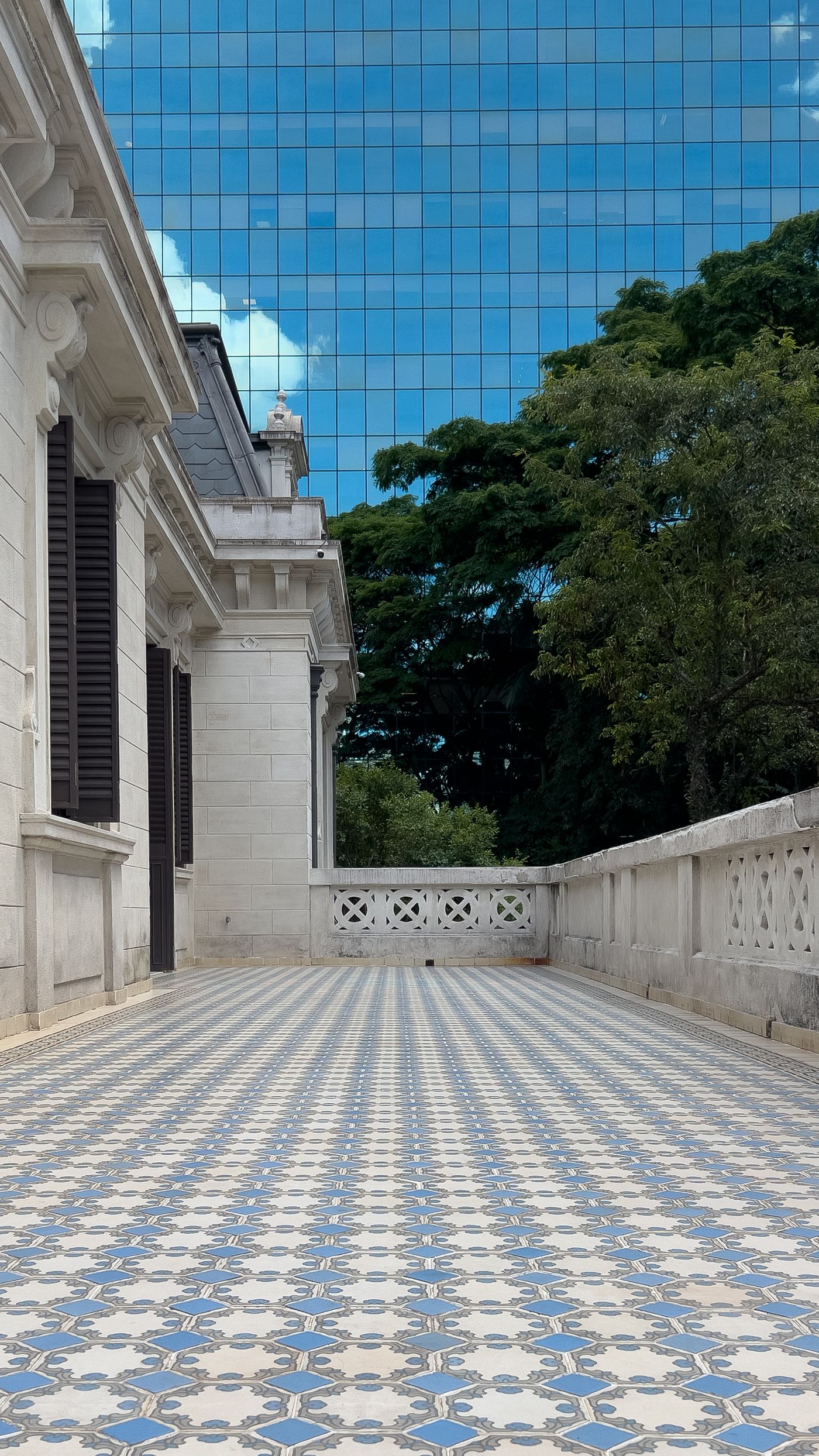
A dark tile in full western sun can be uncomfortably hot by late afternoon and cool by midnight. Everything under it moves with it.
Adhesive, coverage and the joints that absorb the movement
Five things worth checking before you order
Tile selection is the enjoyable half of an outdoor project. These are the questions that decide whether the surface still looks right in five summers.
01 The tile is rated for external use, and the slip rating suits how the area is actually used.
02 You know whether it needs sealing, and whether that has to be repeated.
03 There is a clear fall to a drain or an open edge, with no dip in the middle.
04 On a balcony, the waterproofing and perimeter detailing are settled before tile selection.
05 Movement joints are planned into the layout, not improvised at the end.