GUIDE — LEAKING SHOWERS: SIGNS, CAUSES, OPTIONS
A shower rarely leaks where the stain appears
Water leaving a shower travels sideways through the build-up before it surfaces. By the time it marks a skirting board in the next room or a ceiling below, it has usually been moving quietly for months. This guide reads the symptoms, explains what each one tends to indicate, and sets out the realistic range of repairs.
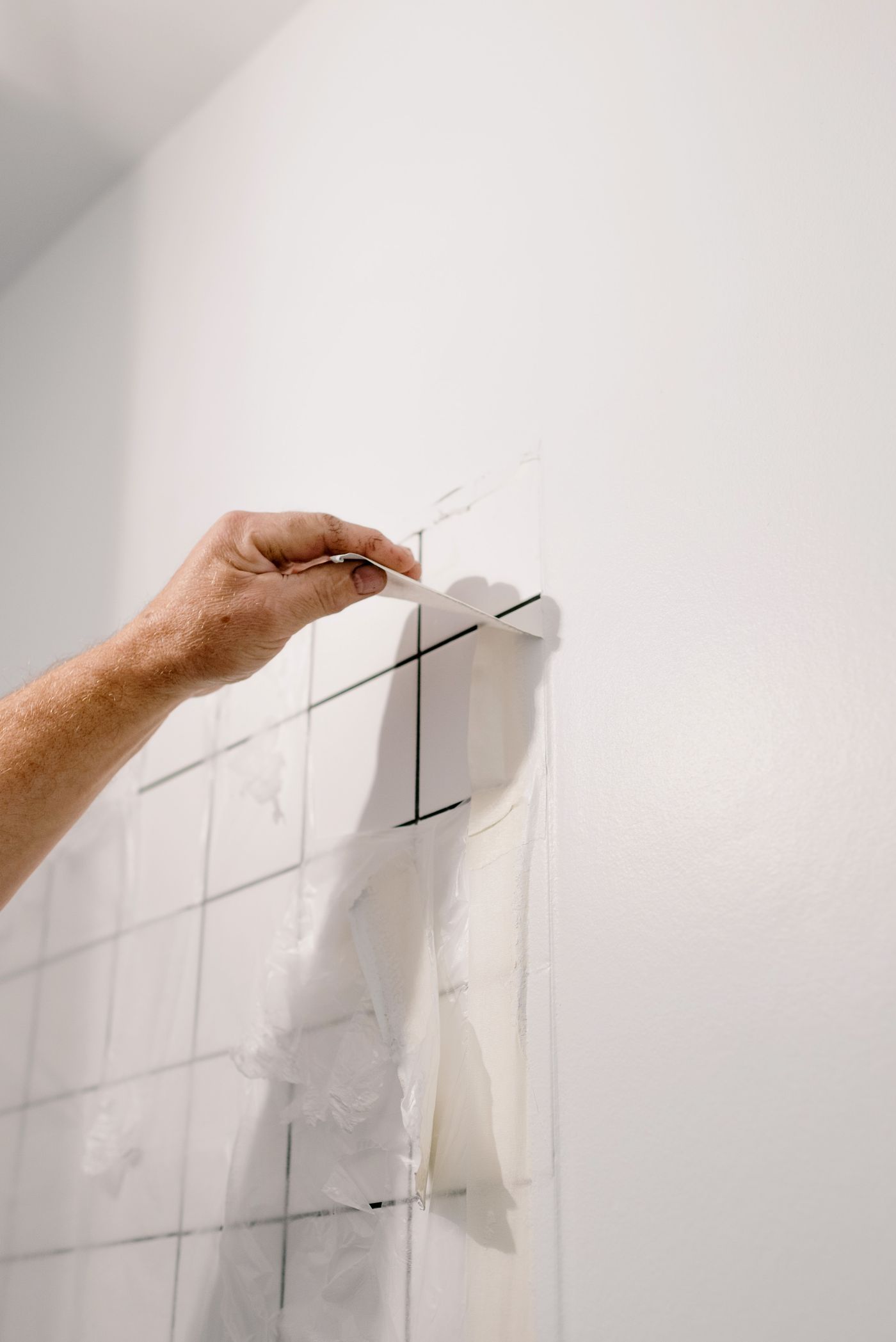
REFERENCE FRAME — LIFT ONE TILE AND THE STORY IS BEHIND IT: ADHESIVE, BOND AND THE SURFACE UNDERNEATH.
Signs worth acting on
Damp, swollen or blistered skirting in the adjoining room
Floorboards or vinyl lifting and cupping outside the bathroom
A stain on the ceiling below that grows after each shower
A musty smell that ventilation never quite clears
White powdery efflorescence along the base of the tiles
Dark, soft, cracked or missing grout at the floor junction
Tiles near the waste sounding hollow underfoot
One of these on its own is worth a look. Two or more together usually means water is already past the tile.
TECHNICAL ASIDE
Water under a shower floor does not pool politely above the waste. It follows the fall of the bed, the line of a screed joint or the run of a wall plate, and surfaces at the first place the build-up lets it out — often a metre or more from where it entered.
What each sign usually means
Damp skirting and lifting flooring in the room next door point to water crossing the wall-to-floor junction. That corner moves more than any other part of a wet area, and it is the detail a membrane most often loses — a missed bond breaker, a coat pulled thin over the angle, or a screed edge finished above the membrane instead of below it.
A ceiling stain below is the same failure with a storey between you and it. Because the water has to saturate a floor system before it shows, a downstairs mark is rarely an early warning — it is confirmation that the escape has been running for a while.
Efflorescence, the chalky white bloom at the base of the tiles or along a grout line, is mineral salt left behind by water sitting in the tile bed and drying out through the joint. It is one of the clearest indications that the problem is behind the tile rather than on its face.
TRACING
How the source gets found
Diagnosis before demolition. The aim is always to remove the least tile that will actually solve it.
ISOLATE THE WATER
Plumbing and the tiled surface are separated first. A tap connection or waste fitting behaves differently from a membrane failure: one leaks whether or not anyone showers, the other only after use.
TEST THE JUNCTIONS
Corners, the hob, the screen track, the waste perimeter and the penetrations for mixer and rail are checked in turn. Wetting one area at a time is how a vague damp patch becomes a specific detail.
READ THE PATH BACK
Where the moisture appears, the fall of the floor and the sound of the tiles together suggest how far the wet area extends — and therefore how much has to come up before anything is rebuilt.
The honest spread of outcomes
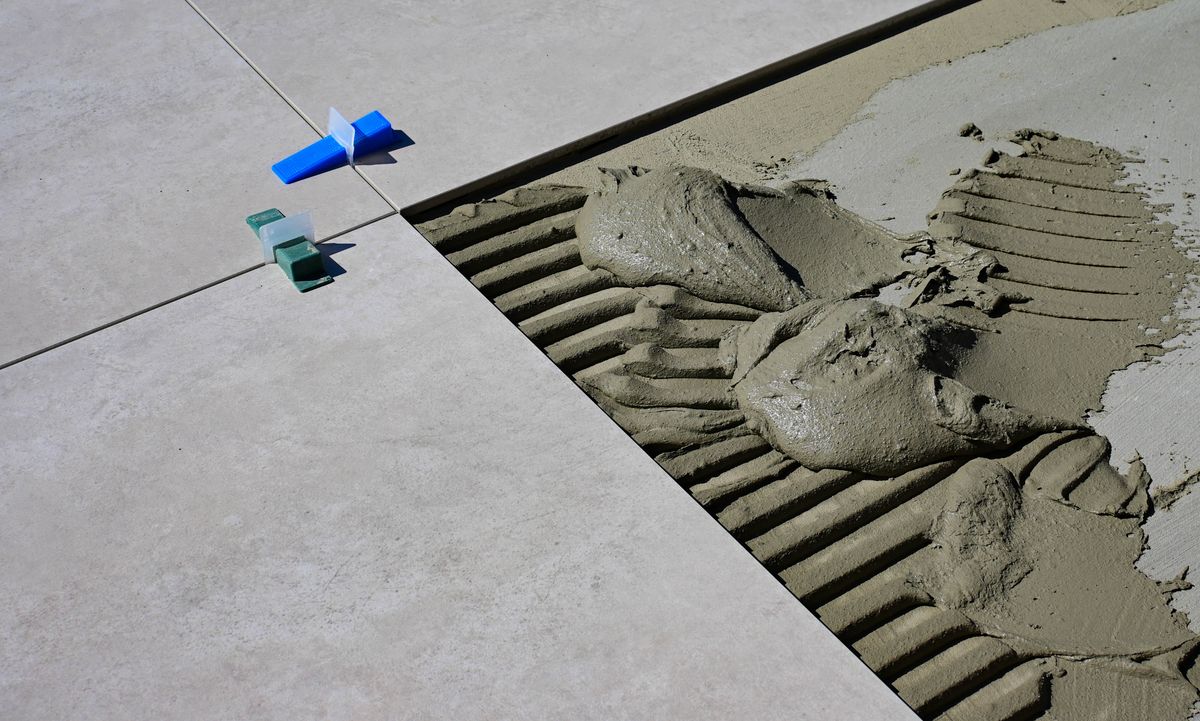
REFERENCE FRAME — A REBUILT FLOOR STARTS AGAIN AT THE BED, NOT AT THE TILE.
Left alone, a tiling job becomes a carpentry one
The cost of a leaking shower is rarely the shower. It is the flooring that swells past repair in the hallway, the wall framing and sheeting that stays wet, the plasterboard ceiling below and the paint that follows it. None of that is tiling work, and all of it is added to the job by delay.
WHAT TO DO NEXT
Describe what you can see — where the damp appears, how long it has been there, and whether the shower is on a ground floor or above another room. That is usually enough to narrow the likely cause before anyone looks at it.
READ NEXT
The layers behind this one
Bathroom Waterproofing: Where Water Actually Escapes — the membrane, corner by corner
Regrouting: When New Grout Fixes It and When It Doesn’t — the light-end repair, honestly scoped
Cracked, Drummy or Lifting Tiles: Reading the Cause — what a hollow tile is telling you
Tile Preparation: The Work You’ll Never See Again — why the rebuild starts below the tile