GUIDE — PORCELAIN VS CERAMIC TILES
Porcelain and ceramic aren't rivals — they have different jobs
Both are fired clay. The difference is how tightly that clay is pressed and how hard it is fired — and that one difference decides where each belongs, how it cuts, how it wears, and whether it should ever go outside.
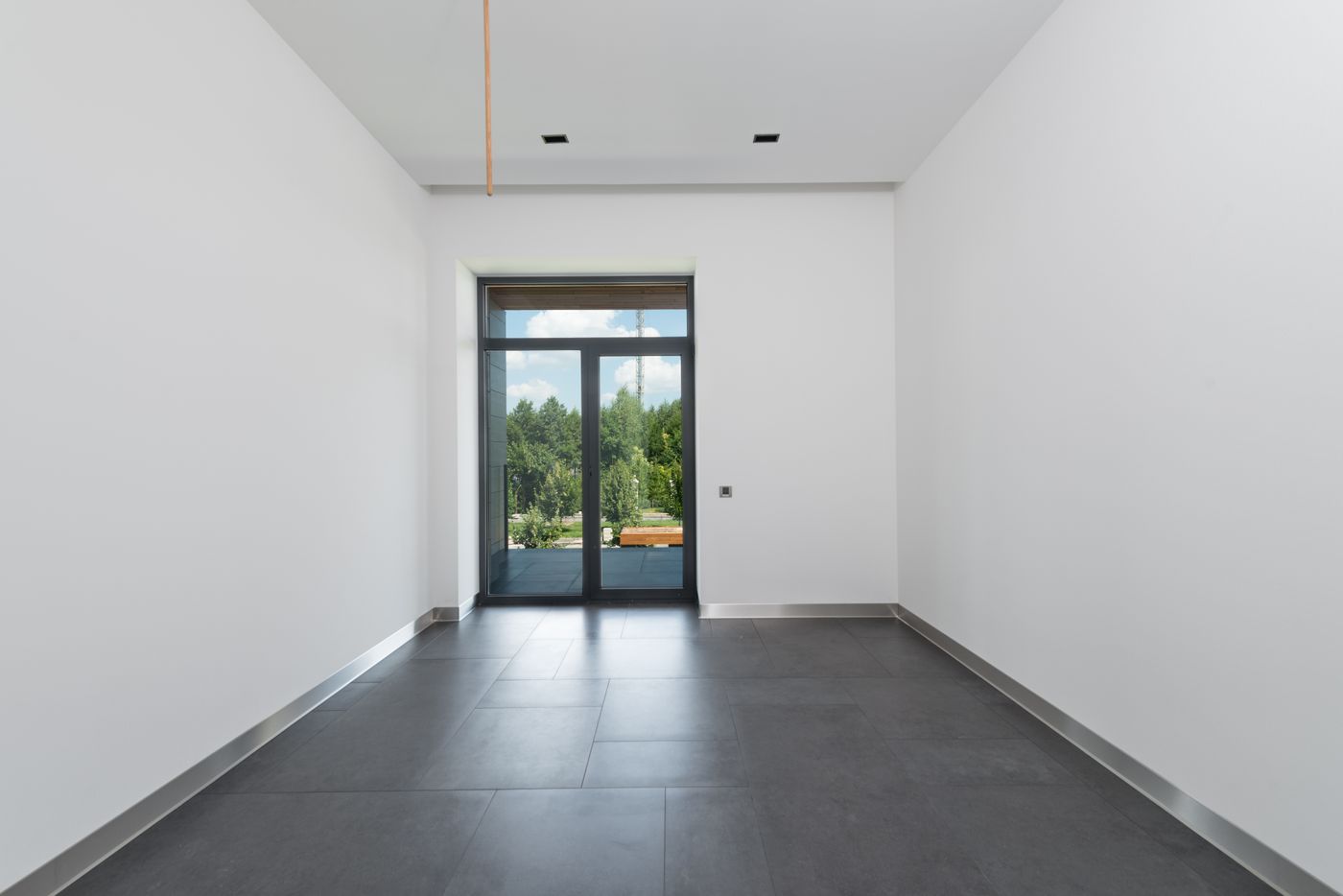
THE SHOWROOM QUESTION
Most tile selections end in the same place: the porcelain sample costs more and it is described as better. Better at what is the more useful question.
One is a denser version of the other
Ceramic is a clay body under a glaze. The body stays relatively open and porous, and the glaze on the face does the work — resisting water, stains and wear. Chip that glaze and a paler, softer body shows through underneath.
Porcelain starts from a finer clay, pressed harder and fired hotter until the body itself is close to vitrified. It takes up only a fraction of the water a ceramic body will. That is the whole reason it ends up where water, temperature swings and heavy traffic are part of the brief rather than the exception.
Four differences that change the job
Everything else in the comparison follows from density. Read them in this order and the showroom advice starts to make sense.
Water in the body
A porous body draws water at the cut edges and through any crack in the glaze. In a dry hallway that rarely matters. On an exposed balcony, or across a shower floor, it quietly sets how long the surface lasts.
Traffic and slip
A wall tile carries nothing but its own weight, so a softer glaze is fine. Floors take grit, chair legs and wet feet, which is where a harder face and a textured, slip-rated finish stop being showroom talk.
Through-body or glazed
Through-body porcelain keeps its colour the whole way down, so a chip reads as tile. Glazed tiles show a pale edge instead — worth knowing on a step or a nosing, where the edge is the part you look at.
Cutting and handling
The same density that keeps water out also resists a blade. A dense panel is slower to cut, heavier to carry and less forgiving of a substrate that isn’t flat — a difference that lands on the labour rather than the tile, and the subject of the chapter below.
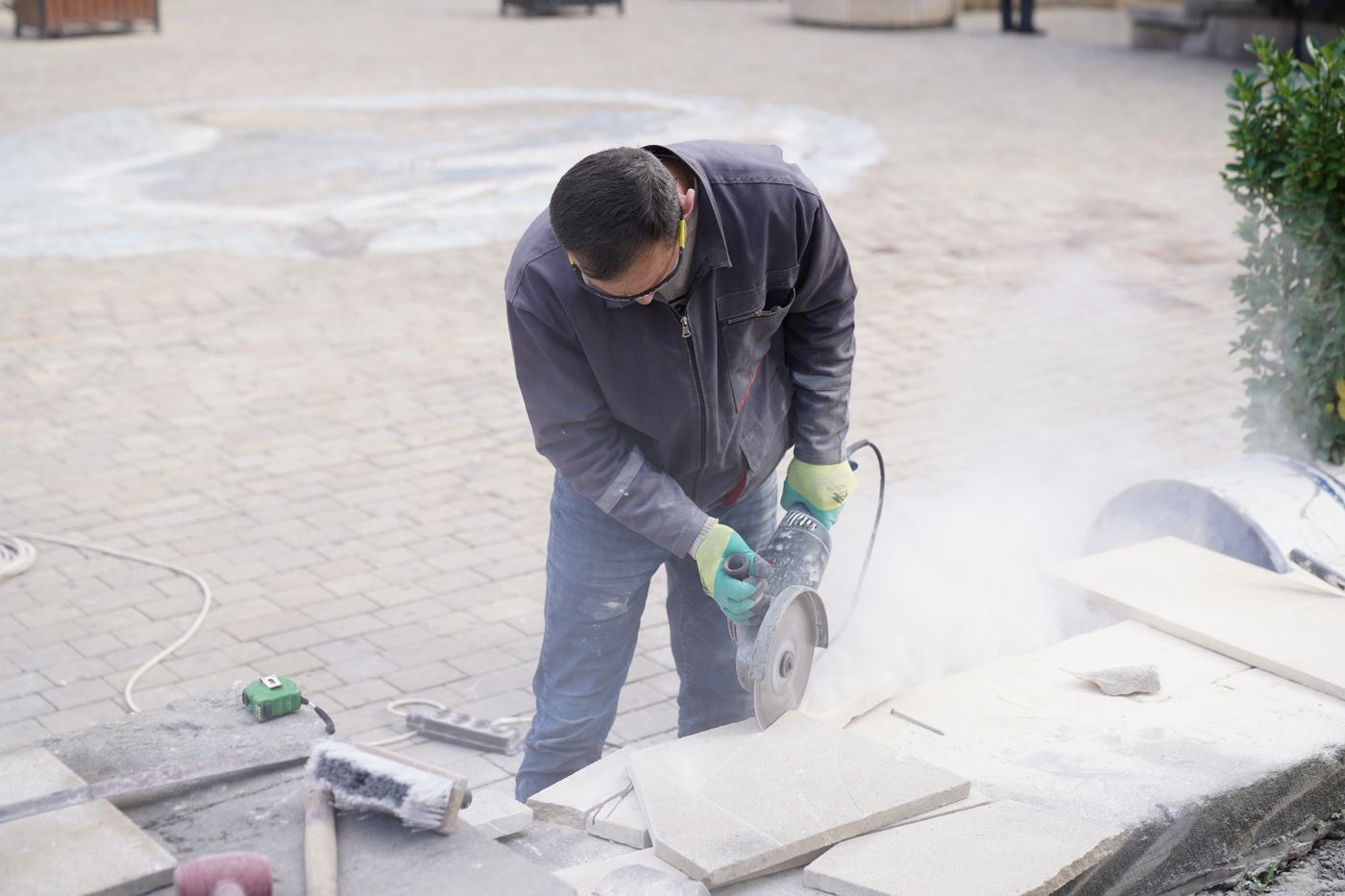
Cutting, handling and the part of the cost that isn't on the price ticket
Density has a trade-off. Porcelain is harder to cut cleanly, it wears blades faster, and it asks for steadier drilling around mixers and rail fixings. A rectified porcelain panel is heavier to lift and far less forgiving of a substrate that isn’t flat.
The material is the last decision, not the first
BY SURFACE
Exposure first, appearance second. Once the surface is named, the shortlist usually halves on its own.
Where each one genuinely belongs
Walls and splashbacks
Ceramic is usually the efficient answer: lighter, easier to cut around power points, and available in glazes porcelain rarely matches. See Kitchen Splashbacks.
Interior floors
Hallways, kitchens and living areas favour porcelain for the harder face and the flatness it holds in larger sizes. See Floor Tiling.
Wet-area floors and shower bases
Porcelain with a textured finish, cut to the falls and laid over a cured membrane. Ceramic is still fine on the walls above it. See Bathroom Tiling.
Balconies, patios and paths
External grade porcelain, rated for slip and set on exterior adhesive with drainage falls — ceramic has no business out here. See Outdoor Tiling and Balcony Tiling.